Our survey service is available for residential and commercial properties in Devon. Home surveys start at £210 + VAT and include the relevant assessments, helping establish the nature and extent of the issue.
When a property is being bought or refinanced, a lender may ask for information about bamboo on the site. Our bamboo survey reports are commonly requested by banks and building societies to support mortgage applications.
There is no single approach that suits every bamboo problem. A specialist surveyor will consider the site and the extent of growth, then discuss the most suitable option, whether that involves a treatment programme or physical removal.
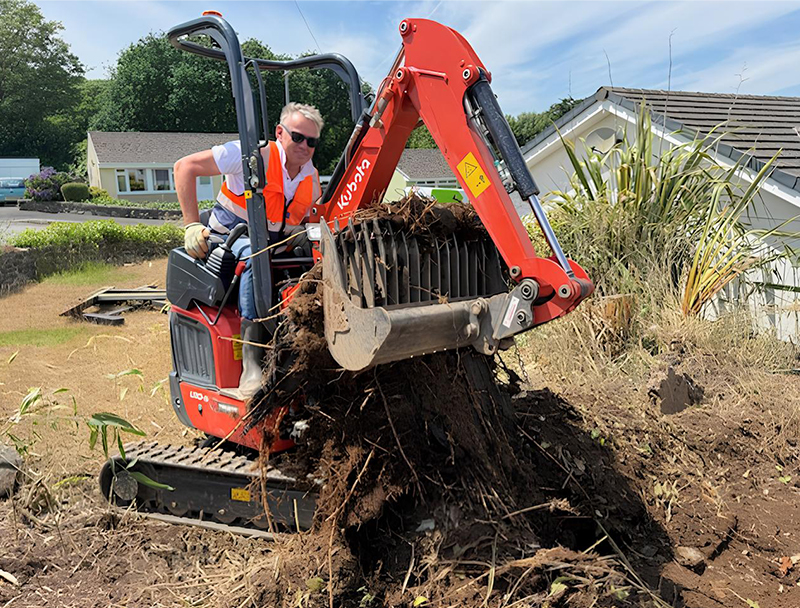
Southwest Bamboo is part of the Southwest Knotweed Group and provides invasive-plant services throughout Devon and the wider Southwest. Depending on the site, solutions may involve planned herbicide treatments or mechanical excavation to remove bamboo.
We guide customers through the process rather than leaving them to work it out alone. Support starts with the initial inspection and continues through the management plan, with advice available during any applicable guarantee period. Our specialists can explain the stages and what to expect as the work proceeds.
Bamboo issues can take time to resolve, which makes choosing the right contractor an important decision. As a family-run business, we aim to combine specialist knowledge with straightforward communication and a personal service. The Southwest Knotweed Group has served customers in the region since 2011, building experience in invasive-plant management and a reputation for professionalism and accountability. We provide practical guidance based on the circumstances at each property.
Since 2011, we have focused on helping homeowners and commercial property owners manage invasive weeds with informed, professional support. That commitment continues to shape how we approach each enquiry and project.
We have adapted our working practices as the invasive-weed sector has developed. Surveys, site visits and recommendations are supported by organised reporting and record-keeping, so customers can understand what has been assessed and what work is proposed. Alongside these processes, we place strong value on responsive customer service, technical expertise and professional standards.
PCA Registered
Our PCA registration and relevant industry memberships reflect our commitment to recognised standards in invasive-weed management. They offer customers an additional point of reassurance when choosing a specialist to assess or manage bamboo at their property.
TrustMark Accredited
TrustMark is a government-endorsed quality scheme covering work commissioned by consumers for their homes, including services carried out in and around the property.
Amenity Standard Members
The Amenity Standard helps customers assess whether weed-management work is being carried out responsibly. It sets expectations around safe working practices, compliance with applicable legal requirements, suitable products and the training and certification of staff.

It can. As bamboo becomes established, growth may spread into areas where it is difficult to manage and can create risks around a property. Getting the situation assessed early can help you understand the options before it becomes more extensive.
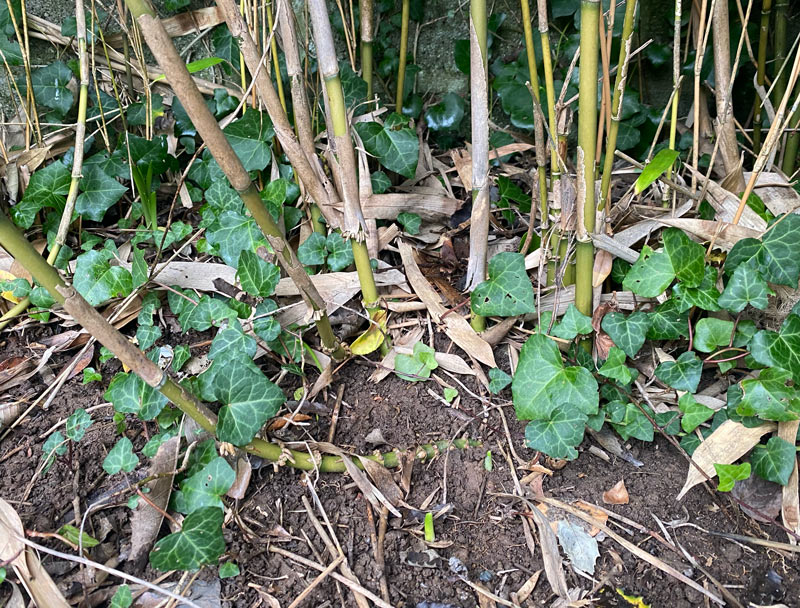
If you are unsure which kind is growing, take clear photos and use the free bamboo identification service on our website. Images can help the team assess whether the plant is a running or clumping variety.
Clumping bamboo generally spreads in a more contained way than running varieties, and is often considered less of a risk to nearby structures. However, its behaviour depends on the circumstances, so clumping bamboo should not automatically be assumed to be problem-free.
If bamboo crosses a property boundary, it can lead to tension between neighbours. While bamboo is not covered by a specific piece of legislation, encroachment may be treated as a nuisance under common law. It is sensible to speak with your neighbour and take timely steps to understand and address the spread.
Cutting off the canes deals with the visible growth, but it may leave the underground parts of the plant in place. The bamboo can then send up new shoots, so cutting it back once may be followed by more growth in the following season.
Avoid using diesel or any other substance that is not intended and approved for weed control. Such products can contaminate soil and may lead to significant penalties or prosecution. Get advice on suitable control options instead of attempting to poison the plant.
Bamboo near a stream, ditch or other watercourse needs to be handled with extra care. Southwest Knotweed operatives hold NPTC PA1, PA6 and PA6 AW qualifications for herbicide application, and an aquatic licence is required before herbicide is applied where a watercourse is present. The herbicides used have aquatic approval. This is an important reason to avoid attempting treatment yourself in these locations, where an unsuitable method could risk contaminating the water.